| TOP OF THE FOLD | Sponsored by |  |
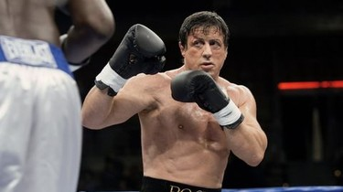
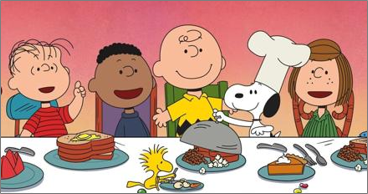
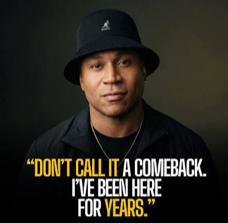
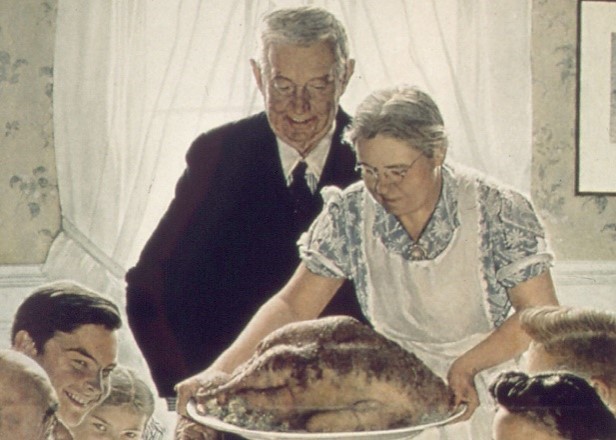
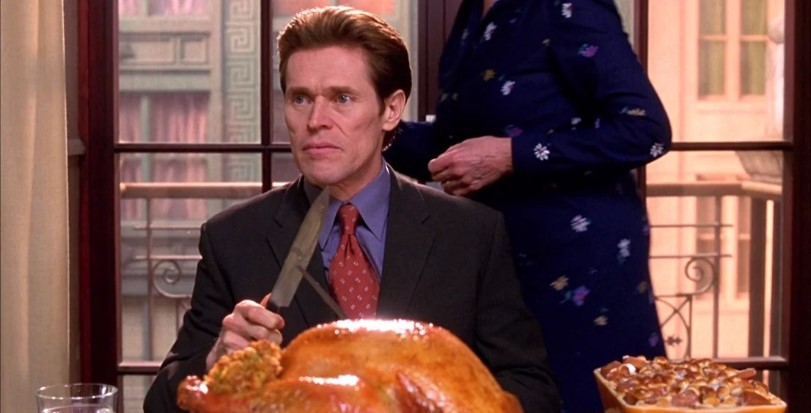
It's Not New, It's a ComebackThanksgiving dinner at a restaurant feels like a modern habit. The best dining rooms in New York and Boston were doing it 130 years ago. Here's what the comeback looks like in 2026, including the numbers behind this year's dip. by Jimmy Frischling Friends of Branded! Happy Saturday of Thanksgiving weekend. I hope you're reading this from a comfortable chair with plenty of leftovers still available in the fridge. For the Frischling-Family, the Saturday of Thanksgiving includes an alumni basketball game (which I stopped playing-in over a decade ago as the game got younger & faster and well, I didn’t). It’s also the day my dad gives out his not famous, but known turkey sandwiches (a tip of the hat to Popup Bagels for my use of one of your taglines). The sandwich consists of turkey, stuffing, cranberry sauce, and Russian dressing on a kaiser roll. The making of these sandwiches used to be the final stop for the leftovers, but as the list of recipients expanded, the sandwiches now command their own bird. If you’re on the list of recipients, you know. If you’re not on the list, there’s always next year. And before diving into this week’s Top of the Fold, I consider this week’s edition photo & reference a small gift to my Rat Pack as I’m not only pulling from an American romantic comedy film from 1980, but one that was made-for-television! I’m digging deep into the 1980’s archives for you gentlemen. Okay, let’s kick off this week with a confession. For two straight Novembers, I've used this space to tell you Thanksgiving used to be a day off for restaurants and has become one of the biggest days of the year. Last year I wrote about Frank Sinatra at Patsy's. The year before, it was about the 500+ reservations on the books at our restaurant, Isabelle's. I stand by both stories, but this year I did a little more homework (and by homework, I mean a few Google searches), and it turns out I only had half the story right. Thanksgiving at a restaurant isn't new. It's a comeback (and who, other than LL Cool J, doesn’t like a comeback). Let’s take a look back at the Gilded Age, roughly 1870 to 1900. American cities were booming, there was new money everywhere, and a wave of fancy restaurants and grand hotels opened to help people spend it. The wealthy figured out that the best place to be seen on Thanksgiving wasn't the family farmhouse. It was a hotel dining room. On Thanksgiving Day 1894, the Hotel Vendome in Boston served a four-course menu that included oysters, terrapin soup, foie gras and roast turkey (JB, I'll give your favorite city this one). In New York, Delmonico's put on elaborate Thanksgiving dinners. In 1915, the Waldorf built a mock New England barn inside its grillroom, complete with live animals, and according to the New York Times' coverage at the time (as retold by Smithsonian), it drew one of the largest crowds the hotel had ever seen. What I love most is how fast the stigma flipped. The Pilgrim Hall Museum (which celebrated its 200th year in 2024 just in case you didn’t know) assembled a collection of these old holiday menus, notes that in the early 1870s, only "an unfortunate bachelor" would eat Thanksgiving dinner in a restaurant. A generation later, a Thanksgiving reservation at a swanky joint was a status symbol. Then came the fall, and it started when prohibition arrived (good luck selling a Gilded Age feast with no wine pairings), followed by the Great Depression. And in 1943, Norman Rockwell painted Freedom from Want for the war bond effort, the one with Grandma setting the turkey down in front of the whole family. Thanksgiving moved home, and it stayed home for about half a century. By the mid-1970s, National Restaurant Association research put the share of Americans eating Thanksgiving dinner at a restaurant at roughly 4.4%. By 2015, that number was more than 10%, or about 33 million people. So when those of us in the industry say Thanksgiving "used to be a day off," we're right, but only if our memory starts around 1950. Before that, the dining room was the place to be. But here's something the Gilded Age crowd didn't have: Thanksgiving Eve. Our friends at Toast looked at full-service restaurants and bars on their platform on Thanksgiving Eve 2025 and compared it with an average Wednesday that year. Let’s look at the numbers: - Alcohol sales up 72% (Schatzy & I didn’t contribute to this stat as we don’t drink any more, we also don’t drink any less, which is why we don’t contribute to the stat).
- Tequila up 146% (Julie Z is pleased as long as she can add some vanilla to her libation)
- Hard seltzer up 240% (WTF?!? I'm not judging, okay, maybe a little)
- Pie up 311% (my brother Teddy really likes pie and thanks for hosting for Thanksgiving)
- Transactions between 11 p.m. and midnight up 238% (I haven’t contributed to this stat since I stopped playing in the alumni basketball game)
- Gross merchandise volume up 28% (send me a hat with your brand on it, and I’ll proudly wear it)
Long-time readers know a Thanksgiving Eve reunion at Martell's once got me a bartending job, so I can vouch for that 11 p.m. number from both sides of the bar (back in the 1990s). The takeaway for operators: the holiday doesn't start Thursday anymore. It starts Wednesday night with the bar, runs through Thursday in the dining room, and has catering and to-go orders on both ends. Okay, my role as Branded’s Finance Guy is now entering the chat (you knew some numbers were coming, so don’t act surprised). The American Farm Bureau Federation's 41st annual survey puts the cost of a classic Thanksgiving dinner for 10 at $58.63 this year, up 6% from 2025. That's the first increase since the record $64.05 in 2022. Zoom out and it's worse. Prices for food eaten at home rose about 22% between October 2021 and October 2026, almost double the usual pace of food inflation. That works out to about $5.86 per person to cook at home. Now do the restaurant math. A Thanksgiving prix fixe at Isabelle's runs $89 per person, so a table of 10 is $890 before tax and tip, against $58.63 at home. Don’t fall for the sticker shock b/c we know the numbers aren’t close and never have been. Restaurants have never won Thanksgiving on price. We win on the costs the Farm Bureau doesn't count: the shopping trips, two days of prep, playing Tetris with oven space, and dishes until midnight. (My wife, who did 90% of the work on that 22-person Thanksgiving at our apartment a few years back, would like her labor priced in, at a premium.) Popmenu's annual study found that hosts expect to spend about $200 on Thanksgiving dinner this year, and 86% of consumers say the cost of the meal is out of control. The guest isn't comparing your prix fixe to a $5.86 per person grocery basket. They're comparing it to their entire Wednesday and Thursday. Now about that dip every operator is feeling this week. First, some context: last year was a big one. OpenTable data shared with CNN showed Thanksgiving Day reservations up 13% year over year in 2025. In Wall Street speak, that's a tough comp. Popmenu has asked consumers the same question four years running: do you plan to order Thanksgiving takeout or delivery from a restaurant? - 2023: 32%
- 2024: 37%
- 2025: 53%
- 2026: 47%
The share planning to dine in at a restaurant held steady at 5%, on par with the last two years. At the same time, 62% of consumers say they plan to spend less on Thanksgiving than last year, and 42% are hosting smaller gatherings to save money. Our own dining rooms tell the same story. Isabelle's had more than 500 reservations on about 140 seats in 2024. This year the book is good, but softer than last year. Here's my read. When six out of ten people say they're cutting back, the line item with the highest cost per head gets trimmed first, and that's us. Some households that ordered the whole meal last year are ordering the pies and sides this year and cooking the bird themselves. But I wouldn't confuse a soft year with a reversal. A dip against a +13% year isn't a collapse. 47% is still well above the 32% of three years ago, and dine-in intent hasn't moved. We all know that comebacks don't go in a straight line. Just ask the guest of honor from last year's Top of the Fold. Frank Sinatra's quiet Thanksgiving at Patsy's came at the lowest point of his career. Within a couple of years, he had an Academy Award for From Here to Eternity. As always, I'm grateful to each of you for letting me be a small part of your Saturday morning, and especially on a holiday weekend. Wherever you spent Thursday, at home, at a relative's, or at one of our tables, I hope it was a great one. It takes a village! | | Your next regular is on Roku  Empty tables cost you revenue you can't get back. Casual diners are already streaming on Roku, and self-serve CTV ads from Roku Ads Manager help you reach them in every market, down to the ZIP code. The result: more diners tonight and more repeat customers over time. | | YOUR WEEKEND LISTEN The Hospitality Hangout: Displai Is Making Restaurant Screens Smarter From a Harvard dorm room to the restaurant menu board, Tuan Ho has spent his career thinking about screens. The Displai CEO and Philo co-founder joins Hospitality Hangout to talk automatic menu updates, replacing kitchen whiteboards and making restaurant technology fit the people using it. |
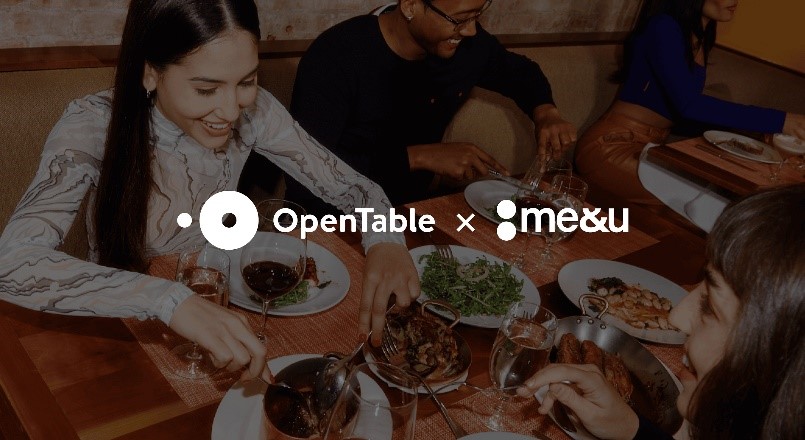
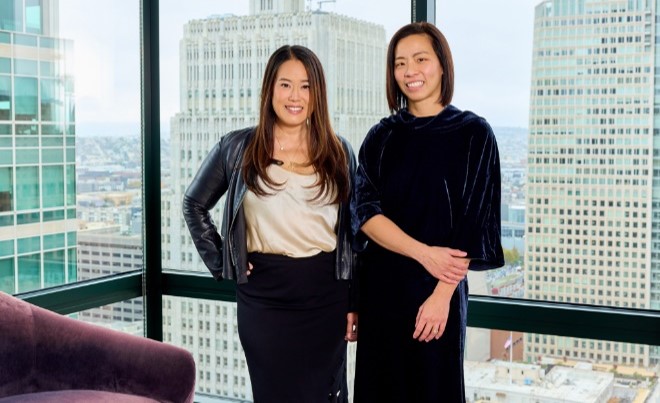
| | THE DEAL ROOM Down Under, Up MarketThis week, OpenTable agreed to acquire me&u, the Australian order-and-pay platform best known for the QR code on the table at your local pub. Me&u co-founder Stevan Premutico put the deal at US$290mm (or A$450mm). The deal is expected to close in the first half of 2027, with me&u running as a standalone division under OpenTable CEO Debby Soo. My favorite line belongs to Premutico, who said the founding mission was simply "to make it a little easier to get a burger and a beer." Mission accomplished, mate. If you've been keeping score at home, American Express has been the busiest shopper in this aisle. Resy in 2019. Tock in 2024 for about $400mm. In February, Amex folded Tock into Resy, and in June it agreed to buy TheFork from Tripadvisor for $700mm in cash, taking its dining network to roughly 75,000 bookable venues. Another active buyer, DoorDash, paid $1.2 billion for SevenRooms last year (mic drop on that purchase price!). OpenTable, the original reservation giant (and a ResTech platform Branded Restaurants beta tested almost 30 years ago at City Crab on the corner of 19th street and Park Ave), had mostly watched. Not anymore (and don’t call it a comeback 😊). In April it bought Libro, a Canadian reservation platform. Now me&u. Two deals in seven months, both outside the U.S., and the second one isn't a reservations company at all. Let’s face it, OpenTable isn't going to let Amex and Resy have all the M&A fun. I know, I write about the consolidation of the ResTech market often, but this is The Deal Room section, and the consolidation is both necessary and happening! Here’s what this (and other deals) tells us about the state of the market. The reservation is the front door, not the house. OpenTable has always known who walked in. With me&u, it will know what they ordered, what they paid, and whether they came back. The companies said it themselves: one connected toolset for the whole visit, from booking to ordering, paying and returning. Buy the competitor before it grows up. Four months before this deal, me&u launched a Reservations product that competed directly with OpenTable. Sometimes the cheapest way to deal with a new competitor is to own it. Respect. Casual dining and international markets are the new land grab. OpenTable is strongest in full-service dining rooms. Me&u lives in high-volume pubs, bars and casual spots across Australia, New Zealand and the UK. New segments and new countries in a single check. Profitability got the deal done. Me&u merged with its biggest rival in a down market, got to positive cash flow, and funded its new product from operating revenue instead of another round. Growth gets the meeting. Margin gets the check (you may have heard me say that before). If you run a ResTech company, the list of strategic buyers is short and getting shorter: Amex, Booking/OpenTable, DoorDash, and the big POS platforms. So: - Integrate with all of them. The best acquisition targets already plug into the buyer's stack.
- Own a segment or a geography. Me&u didn't try to beat OpenTable at fine dining. It won pubs and casual dining in Australia.
- Fill a hole in someone's "whole visit" story. Find, book, order, pay, come back. Be best in class at one of those steps.
- Get to positive cash flow. It turns a "sell" conversation into a "buy" conversation.
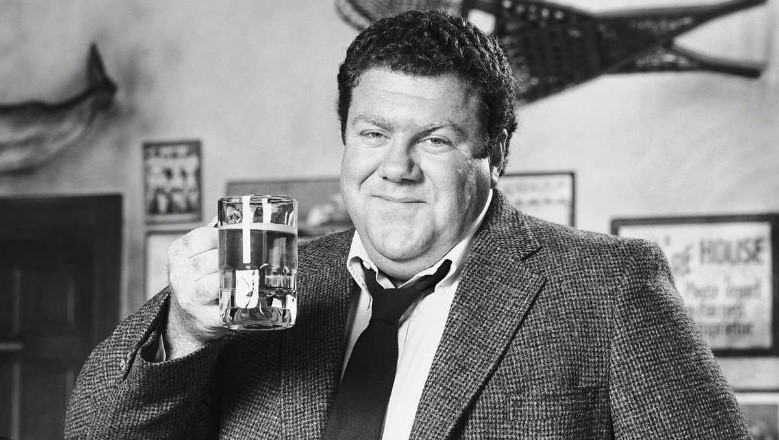
Branded has seen this movie before. We were an investor in Bbot, the order-and-pay-at-the-table platform DoorDash acquired in 2022. Four years later, OpenTable is running the same play from the reservation side. And here's what I think the market still underrates. Paying at the table isn't just a faster way to close a check. It's a guest data platform. The reservation tells you a guest is coming. The check tells you who they are: what they ordered, what they drank, how they tipped and how often they come back. It even captures the walk-ins and bar regulars who never booked a table. That's why I put DoorDash's SevenRooms deal and this one in the same sentence. More on that in this week's Shoutout, where I'll introduce you to a Branded portfolio company building exactly this. (Spoiler: no QR code required.) | | THE SHOUT OUT, POWERED BY ORACLE Norm!Every time Norm Peterson walked into Cheers, the whole bar yelled his name, a beer was waiting before he sat down, and nobody ever asked him for a credit card. For 11 seasons, that was the fantasy. You walk in, they know you, and you walk out when you're ready. This week's Shoutout goes to a company building that joint and relationships for real. Full disclosure, and a proud one: Tabbed is a Branded portfolio company, so as always, please weigh my enthusiasm accordingly b/c I'm cheering loud and proud for this platform. In this week's Deal Room, OpenTable agreed to buy me&u for a reported US$290mm. My read is that OpenTable didn't pay up for a QR code (b/c nobody pays up for a QR nowadays). It paid up for what the check knows about the guest. Tabbed frames it better than I can: Amex knows Greg spent $410 somewhere. Toast knows Table 31 ordered the Wellington. OpenTable knows Greg booked a table for two at 8. Tabbed knows Greg was seated at 8:06, ordered the Wellington, tipped well, left a five-star review and walked out at 9:30. Every player in dining sees a piece of the guest. Tabbed calls itself "the identity layer of hospitality," b/c it ties a real person to an itemized check, at the table, in real time. As a child who grew up watching Saturday morning cartoons and learning about stuff, let me channel some Schoolhouse Rock! and share how Tabbed works with you this Saturday morning (and it’s a lot easier than learning about how a bill gets turned into a law). - Walk in. A small Bluetooth beacon under the table recognizes the guest's phone (Tabbed says it's accurate to within inches) and links them to their check in the POS. No QR code, no tapping, no check-in. I’m going to repeat for emphasis, no QR code!
- Dine as usual. The guest orders from the server like always. The server sees who's at the table before they get there: name, visit count, allergies, steak temperature, favorite drink, even a birthday.
- Walk out. When the guest is ready to go, they go. The check closes on its own, and the guest gets a quick prompt for feedback on the way out.
Tabbed plugs into Toast, Square, Oracle Micros and NCR, and the company says an install takes about 30 minutes. Oh yeah and before I forget, it's free for the restaurant. Here's the case study I keep coming back to. Chops Lobster Bar, the Buckhead Life steakhouse in Atlanta that's been open since 1989, replaced its QR pay-at-table system with Tabbed in June 2025. Over six months, on Tabbed checks: - 13 minutes shorter time to close the check
- +$36 higher check average
- Server tips of 21.5%, vs. 19.5% on other checks
- About 3 extra seatings a night from the table time saved (I already used my one mic drop per H^2 edition in the Deal Room, otherwise I would have dropped it like it hot here).
Now put on your Finance Guy hat with me. Tabbed projects that's roughly $229,000 a year in additional revenue on Tabbed checks at a single restaurant. Even if your own number is half that, it's a real line on the P&L for a product the restaurant doesn't pay for. Tabbed's Toast integration went live at the end of June. Since then, the list of partners has grown to include Cipriani, Zuma, Lucky's, Bar Moga, Palladino's, The Parkgate and Bareburger, alongside Chops. Most restaurants know their reservation book better than their regulars. The guest who walks in, sits at the bar and comes back every Wednesday is invisible to the reservation system. Tabbed sees that guest, and it hands that knowledge to the server at the moment it matters most: before they get to the table. That's the lesson from this week's Deal Room, too. The buyers aren't paying for faster checkouts. They're paying to know the guest. Congratulations to the entire Tabbed team. Norm would approve. To see a special second shoutout for Thanksgiving, click here | | WHAT WE'RE READING THIS WEEK 🎁 Gifts for Food Lovers and Loved Ones Who Eat – The New Yorker 🍷 Your Fancy Glassware Isn’t Doing Anyone Any Good – Food & Wine ✈️ The World's Best Airlines of 2027 – TIME 🔪 How to Use a Mandoline Slicer Safely – Food & Wine 🎬 Timothée Chalamet Addresses Possibility Of A ‘Call Me by Your Name’ Sequel: “Never Say Never” – Deadline | | THE B LIST 10 names to know this weekKnow someone who should be on this list, or someone who'd want to see it? Forward this email or share it with your network! | | MY POINT OF VIEW by Julie Zucker This past week marked my 15-year anniversary at Branded!! (I know what you’re thinking, you’ve been working with Schatzy for 15 years?!?!) In reflecting on my journey from running marketing for Branded’s restaurants to where I am now, I realized something pretty wild. I’ve officially been working at Branded longer than I spent getting my pre-college education. Pre-K through 12th grade vs. 15 years at Branded. That’s wild to think that a child could have gone through their entire pre-college education in the time I’ve worked at Branded. While a child learned their ABCs and took their SATs and ACTs, I learned the ABCs (Average Checks, Beverage Costs and Customer Counts) of restaurants before moving on to my SATs (Sales, Acquisitions and Technology) and ACTs (Analytics, Content and Transactions) of hospitality investments, technology and media. So, in honor of 15 years (and since I’m not quite ready for my AI-generated Sixteen Candles Molly Ringwald photoshoot), I thought I’d take a trip down restaurant memory lane and revisit 15 ways our industry has changed since I started at Branded in 2011. - When the restaurant iPad was just an iPad.
- Delivery went well beyond pizza and Chinese food.
- Getting into a restaurant became a competitive sport.
- Shake Shack went from a NYC institution to a global brand.
- Instagram turned everyone into food influencers.
- The $5 footlong became a lesson in inflation.
- Restaurant loyalty cards/punch cards went digital.
- Restaurant technology became an investment category of its own.
- Fast casual grew up.
- The QR code made the greatest comeback nobody asked for.
- Ghost kitchens became a thing. And then we questioned whether they should be a thing.
- Restaurant companies started collecting brands like baseball cards.
- The drive-thru got a technology makeover.
- Chicken sandwiches broke the internet.
- Artificial intelligence went from science fiction to a restaurant industry buzzword.
Think about the difference between a three-year-old and an 18-year-old. Fifteen years is a whole lot of growing up! And while our industry has certainly done its fair share, what gives me hope is what hasn't changed. Continue reading for a little restaurant history lesson, complete with some surprising numbers, a healthy dose of nostalgia and a few reminders of how we got here. I promise there won’t be a pop quiz at the end! Read this week's POV | | THE INSIDERS | | | | | That's it for today!
See you next week, same bat-time, same bat-channel.
It takes a village! Jimmy Frischling
Branded Hospitality
[email protected] 235 Park Ave South, 4th Fl | New York, NY 10003 Branded Hospitality is a foodservice growth platform with three integrated business lines: Ventures, Solutions, and Media. We invest in innovative tech and emerging brands, provide expert advisory and capital strategies, and amplify visibility through podcasts, newsletters, social, and events, creating a powerful flywheel that drives growth, brand strength, and lasting success. Looking to get in front of 400,000+ hospitality movers and shakers? Dive into our media kit and see how we can help amplify your brand. HOSPITALITY HEADLINE |
|