


|
||||||||||
|
Top of the fold
Hidden Figures
Why the best restaurants are investing in people, not eliminating them. — by Jimmy Frischling
|
||||||||||

Labor Isn't the Problem. Productivity Is.
Friends of Branded! Happy Saturday and I hope you had a great week. There's a scene in Hidden Figures (Rat Pack: look at me pulling from a 2016 Drama / History film) that I keep coming back to. It's the early 1960s at NASA, and Dorothy Vaughan (played by Octavia Spencer), who runs a group of "human computers" (the mathematicians who worked out flight trajectories by hand), watches an enormous IBM mainframe get wheeled into the building. Everyone around her sees the machine as the end of their job. Dorothy sees something else. She sneaks a FORTRAN programming book from the public library to teach herself how to program the thing and then teaches her entire team. When the machine goes live, the women who were supposed to be replaced by it are the only ones who know how to run it. She didn't fight the technology. She multiplied her people through it. 
One of the single biggest questions our industry has been asking incorrectly for the better part of five years, at virtually every conference, in every tech pitch, during every board meeting, eventually lands in the same place: "How do we reduce labor?" It's an understandable question, of course. Labor is one of the largest lines on the P&L, and the pressure is real, not imagined. Let's do a little Saturday morning math. Average hourly earnings in restaurants have increased roughly 41% from pre-pandemic levels. Total operating costs have risen 36% since 2019, outpacing the 33% increase in overall inflation. In 2025, about 42% of restaurants failed to turn a profit. With numbers like that, "cut labor" can feel like the only lever within reach. (and we're also done with the math for this week's Top of the Fold). But somewhere along the way, we confused reducing labor costs with building better businesses and for avoidance of any doubt, they are not the same thing. I was reminded of this important difference at Workstream's On The Clock Summit, which took place down in Atlanta this past Thursday. 
During a fireside chat at the summit was Mr. Joe Guith, the CEO of CKE Restaurants (the parent of Carl's Jr. and Hardee's), shared something from the stage that stuck with me. Saving on labor, he argued, is largely a myth. The real game isn't reduction. It's productivity and redeployment. That's the fault line, and our industry has quietly split into two camps around it (but I'm not prepared to assign the percentage of operators associated with these two camps, and besides, we agreed we were done with math for this morning). 😊 The first camp treats labor as a cost to be minimized, and asks, "How can I operate with fewer people?" The tools are familiar. Kiosks. QR menus. AI phone agents. Kitchen automation. Lean staffing. None of it is bad (much of it is excellent), but when the only scoreboard is a lower labor percentage, the conversation ends there. And here's the catch: no guest has ever walked into a restaurant hoping to experience an exceptional labor percentage (and if one did, would they really make for an enjoyable dinner companion?). No, that's not the way it works. Guests come for the food, the service, the hospitality, and a reason to come back. The second camp treats labor as an asset to be multiplied, and asks a completely different question: "How do we make every employee dramatically more valuable?" That isn't a cost conversation. It's a productivity one. Picture the host who no longer burns half a shift on the same phone calls b/c AI handles the reservations, the directions, and the questions asked fifty times a day. That host is now greeting guests, working the waitlist, making first impressions. Picture the GM who gets two hours back b/c the forecasting software already built the schedule. Those hours don't vanish. They get reinvested into coaching, walking the dining room, developing the next generation of leaders. Picture line cooks who spend less time hunting for ingredients or waiting on tickets b/c the kitchen system actually communicates. They don't cook less. They cook better. The technology didn't replace those people. It removed the friction that kept them from doing what humans do best. That's how we need to look at Labor. That's multiplication. Labor. Multiplication. "Labor Multiplication," I like that! 
This is where we, as an industry, sometimes borrow the wrong playbook. Manufacturing spent decades replacing repetitive human tasks with automation, and for factories that's exactly right, b/c factories produce products. But wait. Wait for it. Restaurants don't produce products. They produce experiences (mic drop). The smile from a server, the bartender who remembers your drink, the cook who takes pride in every plate: those aren't labor expenses. They're the product. Technology should strengthen that reality, not water it down. Operators, friends, maybe it's time we stopped obsessing over labor percentage and started measuring what actually matters. Sales per labor hour. Revenue per employee. Guest satisfaction per shift. Retention. Repeat visitation. Those are productivity metrics, and they point at a healthier flywheel: employees who are less stressed give better service, better service lifts sales and repeat visits, retention climbs, training gets easier, and margins expand. Here's the irony the cost-cutters miss. The operators who chase productivity often land at a lower labor percentage anyway, not b/c they cut people, but b/c they grew the business faster than their labor costs. Which brings me back to Dorothy Vaughan and that IBM computer. The winning restaurants of the next decade won't be the ones with the fewest employees. They'll be the ones with the most empowered ones. Technology should never compete with hospitality. It should compete with inefficiency, and that's a big enough job to keep it busy for a very long time. We don't want to replace the smile. We want to protect it. The better question was never "How do we reduce labor?" It's "How do we increase the value of every person who walks through our back door, before they ever serve the guest walking through our front?" B/c labor isn't the problem. Unproductive labor is. And I've got a feeling that's exactly where this industry is headed. It takes a village! 
|
||||||||||
Your weekend listen
|
||||||||||
|
Happier Employees. Happier Guests.

Give your hotel or restaurant team access to their earned wages before payday*. Overcome hiring shortages and boost shift compliance with the gold standard in modern pay.
Book a Demo
|
||||||||||
|
We Don't Have a Scarcity Problem. We Have a Logistics Problem.
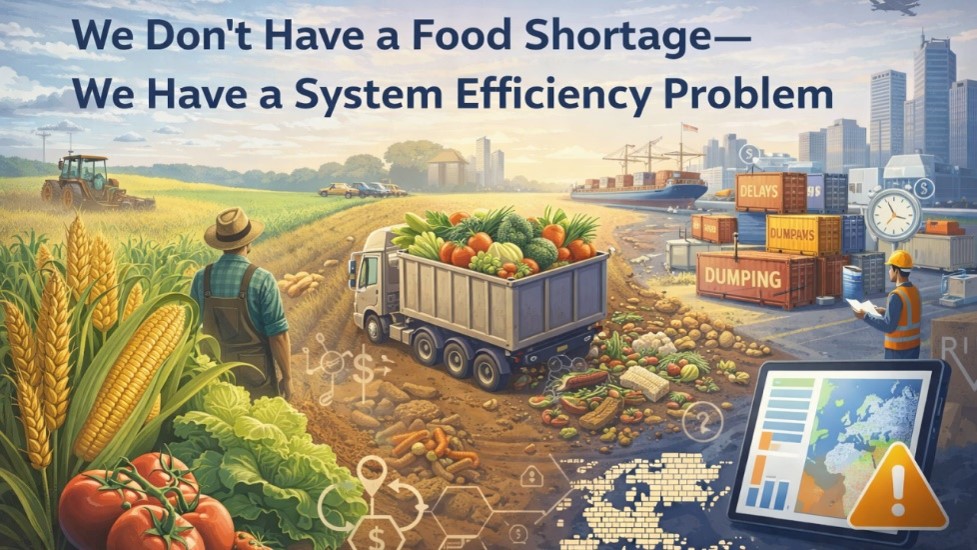
America wastes about 40% of its food. Roughly 120bn pounds a year, something like $218bn of value, while 35mm Americans (10mm of them kids) don't have enough to eat. Put those two facts side by side and the truth is hard to dodge: this was never a scarcity problem. It's a logistics problem. So, this week's Shoutout goes to the operators and organizations choosing to solve it, and to the company that makes solving it easy: Copia. Full disclosure, Copia is a Branded portfolio company, so weigh my enthusiasm accordingly. Here's the status quo most of the industry lives with. You pay a hauler to cart your surplus to a landfill. You pay to destroy good food, you absorb the loss, and you get nothing back. Food is already 22% of what sits in our landfills, and the restaurant industry spends roughly $162bn a year on waste-related costs. That's a lot of money to spend on zero. Copia flips it. It calls itself "the donation engine for your business," and it runs like one: pick your surplus and schedule a pickup in a few minutes a day, let the platform auto-match a nonprofit (they post a 99% match rate), dispatch a driver, track chain of custody, and drop an audit-proof receipt and tax dashboard on your desk. The Cheesecake Factory, Ritz-Carlton and 1 Hotels are already on it. And this is where donating beats hauling on the one axis operators actually answer to, the P&L. The federal enhanced tax deduction lets you write off more than your cost on donated food. The Bill Emerson Good Samaritan Food Donation Act shields good-faith donations from liability (that "what if someone gets sick" fear is largely handled by law). You trim hauling costs and Scope 3 emissions. And you feed your own community. Few operational decisions touch your finances, your environment, your people and your neighborhood all at once. This one does. I know the hesitation. People assume donating is complicated and tossing is easy. In reality the barrier isn't willingness, it's perceived effort. Build donation into the workflow you already run, and it takes minutes, without disrupting a single shift. If it still feels like a heavy lift, you just haven't found the right partner yet, b/c with the right one it's one of the easiest processes you'll run. Food donation gets treated like a "nice to have." It's not. Stop paying to throw away value you could be putting to work. f you’d like to discuss what Branded is doing with Copia or how you can get involved, please click here or contact me directly. 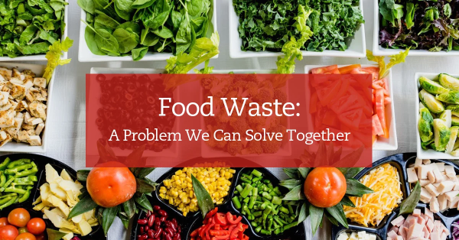
|
||||||||||
|
NetSuite Meets AI: Practical Lessons and Strategies

AI is reshaping financial operations in NetSuite, delivering practical gains for finance teams and IT leaders. This guide, authored by industry expert Tim Dietrich, explores actionable strategies for adopting AI responsibly, from prompt-driven financial analysis to purpose-built AI agents and proven governance frameworks.
Get Your Guide
|
||||||||||
|
What we're reading this week
|
||||||||||
|
Running to Stand Still
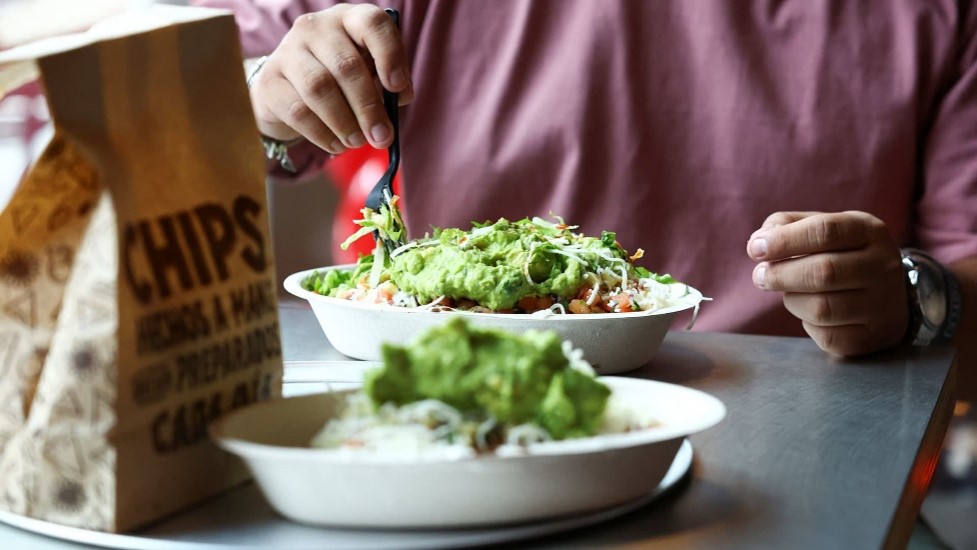
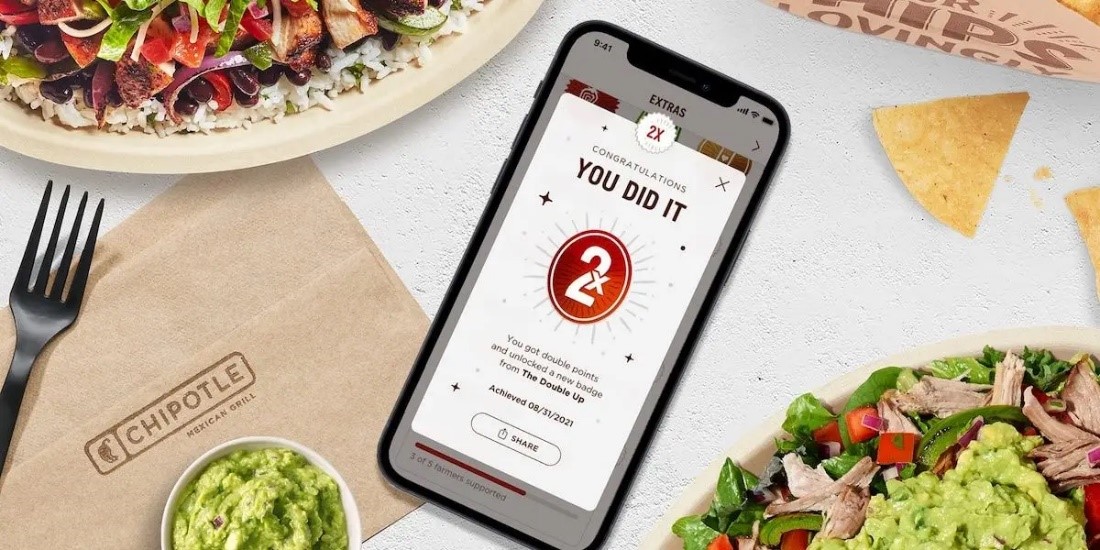
No deal this week, but hopefully something you find more useful: a state of the union, told through one of the best operators in the business. Chipotle reported Q2 on July 29, and on the surface it's a growth story. Revenue went up 9.3% to $3.3bn. Comparable sales were up 2.2%. 100 new restaurants opened in the quarter. This is the gold standard of American fast casual doing what it does. Now look one line down. Diluted EPS came in at $0.32, flat versus a year ago. Restaurant-level margin slipped to 25.2% from 27.4%, roughly 220 basis points gone. So the top line grew almost 10% and the bottom line didn't move. Chipotle ran hard and stayed exactly where it was. Running to stand still. Here's why that matters far beyond one burrito chain. If the operator with the most pricing power, the best throughput, and arguably the strongest brand in the category can't convert double-digit revenue growth into a single penny of EPS growth, that tells you where the whole industry sits in 2026. The pressure isn't on the top line. It's on the flow-through. And we know exactly what's eating it, b/c I wrote about a lot of it up top. Restaurant labor is up roughly 41% from pre-pandemic levels. Wholesale food is up around 35%. Insurance, occupancy, all of it has re-priced. You can grow revenue through price and new units and still watch margin leak out the bottom, one basis point at a time. That's the pattern worth internalizing. For a decade, the scoreboard operators and investors watched was comps. Same-store sales, up and to the right. In 2026, comps are a vanity number if they don't fall to the bottom line. Growth is not profit. A 9.3% revenue quarter that throws off flat earnings isn't a growth quarter. It's a treadmill quarter. So the read for anyone deploying capital or running a P&L: stop grading on the top line and start grading on flow-through. The winners this cycle won't be the ones posting the biggest comps. They'll be the ones who defend margin while they grow, who turn productivity into profit instead of just running faster to stay in place. (Which, not coincidentally, is the whole argument of this week's lead.) Chipotle will be fine. It has the balance sheet and the brand to out-invest almost everyone in the category. But when the best in the business is running to stand still, everybody behind it should be checking their pace. Growth is optional. Profit is survival.
If you’re interested in exploring Branded’s deal flow and opportunities to engage with our Branded Capital team, please click here or contact me directly.
| ||||||||||
|
The b list
10 names to know this week
Know someone who should be on this list, or someone who'd want to see it? Forward this email or share it with your network!
|
||||||||||
|
My point of view
by Julie Zucker

|
||||||||||
|
I'm currently in that stage of parenting where my 5-year-old has discovered the art of lying. According to him, he definitely brushed his teeth (despite the bone-dry toothbrush), absolutely didn't eat the secret chocolate stash (while wearing it on his face), and somehow always has a very convincing explanation for everything. Instead of simply telling him that lying is wrong, I've been teaching him the difference between what I call UPPERCASE stories and lowercase stories. The light bulb moment? While explaining it to him, it dawned on me that restaurant servers might be some of the best "uppercase storytellers" I've ever met. This week's POV is about parenting, storytelling, emotional intelligence...and why hospitality professionals are the masters of all three. 👉 Click to read this week's POV: Liar, Liar! (Pants on Fire) |
||||||||||
|
The insiders
|
||||||||||
|
||||||||||
|
||||||||||
|
||||||||||




See you next week, same bat-time, same bat-channel.
It takes a village!
Jimmy Frischling
Branded Hospitality
[email protected]
