|
||||||||||
|
Top of the fold
Culinary Purism
How the World Cup made TV-free restaurants rethink their principles. — by Jimmy Frischling
|
||||||||||

Friends of Branded! Happy Saturday and I hope you had a great week. In a little over 24 hours, the 2026 FIFA World Cup final kicks off about 15 miles from my apartment. We’ve got Spain facing off against Argentina, at 3pm ET, at MetLife Stadium in East Rutherford, New Jersey. MetLife Stadium? Really? |
||||||||||

But I digress. Let’s get back on topic and the topic is Culinary Purism. For years, a certain kind of restaurant built its whole identity on what it refused to put on the wall. No TVs. No scrolling scores. No ESPN glare bouncing off the natural-wine list. The room, the food, the conversation across the table, that was the point. Culinary Purism is the belief that a dining room is a sanctuary, and a flat-screen (no matter how thin it is) is a distraction that cheapens the whole experience. For the purist, a television even in the corner, isn't hospitality. It's a sports bar cosplaying as a restaurant. Respect and there of course needs to be a place where screens don’t exist. Of course, there does. And then the 2026 World Cup showed up on American soil and blew the whole doctrine to pieces. With the final landing this Sunday, July 19, at New York New Jersey Stadium, an 82,500-seat spectacle complete with the tournament's first-ever halftime show (Madonna, Shakira, and BTS, if you somehow hadn't heard), the country has slipped into a Super Bowl–grade fever. Except this Super Bowl has lasted for a month, spanned three host nations, and turned every neighborhood with a projector into a de facto pub. And the purists? Many of them have quietly, and then not-so-quietly, wheeled out a screen. The math, and the passion behind them, made the philosophy negotiable. The good people at Square reported that bars and breweries saw revenue rise 8 percent during the tournament’s opening stretch, while full-service restaurants gained 3.5 percent. In an industry where a strong month is measured in single points of margin, that is no rounding error, it’s a reason to rethink your principles. Restaurants that have kept TVs outside its four-walls have sourced large screens to put up on stands or projectors with screens that come down from the ceiling. How do I know this is happening? Well, besides having eyes, we did this exact thing in one of our restaurants that prior to the tournament took pride in being a TV-less venue. Sure, we could have held firm to our anti-distraction philosophy, but being a purist would have cost us a ton of business. Instead, we asked for some room to be made for us on the FIFA bandwagon and installed a projector and large drop down screen. The result? During matches our joint looks like Brady’s on the upper east side of Manhattan on a college Game Day or NFL Sunday. Fun fact, twice in Brady’s history, the pub re-named itself “Manning’s” when the New York Giants played the New England Patriots in the Super Bowl (that’s a fun fact, right JB?). My vote to add wings, sliders and nachos to the menu during the World Cup and while the screens were up didn’t come close to passing and it was also pointed out to me that I don’t even have a vote when it comes to the menu (but that didn’t stop me from trying to create a menu that would be reminiscent of Duke’s Original Roadhouse). 😊 But this is not about Isabelle’s Osteria, Duke’s Original Roadhouse or even my Bostonian friend, JB. No, this is about a beautiful game, a finals that couldn't be more delicious and how even culinary purists can embrace the world’s most popular sport. |
||||||||||

My personal view is that flatscreens and projectors offer restaurants a great deal of optionality and that they can also be made to disappear when they’re not needed or desired. That said, I don’t profess to be a Culinary Purist. For the purist, I understand it’s not the TV itself, but what it signals to the guests that desire a distraction free environment. The 2026 World Cup has afforded restaurants who wish to seize on this moment the opportunity not to abandon their standards, but to apply their standards to this once every four years event. For avoidance of any doubt, the quiet lesson of the whole month isn’t that the purists were wrong that a TV changes a room. They just discovered the change can cut in their favor when the moment is big enough and the execution is theirs to control. A World Cup should not be confused with a random Tuesday NFL game humming in the background while nobody watches. It's a shared event, a reason for strangers to groan and cheer in unison, an occasion that makes a restaurant feel more alive, not less. Distraction, it turns out, is a matter of intention. A screen nobody asked for is noise. A screen everybody in the room is leaning toward is community. None of this means the Culinary Purist doctrine is dead. Come Monday, plenty of these rooms will remove the TVs, take down the projector, and return to the screen-free gospel they preached before the group stage. The purity was never really about the hardware. It was about protecting the experience, and for one glorious, offside-trap of a month, the experience was the match. So go ahead. Pour the good stuff (maybe a Rioja or a Malbec), plate it beautifully, and turn the TVs on. The anti-distraction philosophy can wait until Monday. Kickoff is Sunday at 3pm. Let's watch some football! It takes a village. 
|
||||||||||
Your weekend listen
|
||||||||||
|
Happier Employees. Happier Guests.

Give your hotel or restaurant team access to their earned wages before payday*. Overcome hiring shortages and boost shift compliance with the gold standard in modern pay.
Book a Demo
|
||||||||||
|
Seven Brands, One System: Craveworthy Plants Its
Flag at Georgia Tech

In August, seven Craveworthy concepts open at once at Georgia Tech — under one operating system. It’s a clear read on where nontraditional is heading, and why the portfolio players win it. This August, on the second level of Georgia Tech’s John Lewis Student Center, Craveworthy Brands will do something almost nobody in our business does: open seven restaurants at once. Not seven units of one concept, but seven distinct brands under one roof, under a single banner called Crave Kitchen. Big Chicken, Fresh Brothers, Kinnamōns, Krafted, Taïm, Benny’s Cheesesteaks, and Wonder Dog, with Dirty Dough cookies running through campus catering. One operator, one contract, 56,000 students at one of the highest-demand dining addresses in Atlanta. That’s the headline. Here’s why it belongs in The Deal Room. |
||||||||||

Every operator is chasing nontraditional right now (universities, airports, stadiums, casinos, resorts). It’s the fastest-growing channel in the industry: captive traffic, built-in demand, a landlord who actually wants you there (and how nice is that!). But despite this enthusiasm, almost everyone shows up the same way with one concept and one story, leaving the institution to stitch together a dozen relationships to fill a single food hall. Craveworthy shows up with a portfolio and one operating system behind all of it. That distinction is the entire deal. Founder and CEO Gregg Majewski, who scaled Jimmy John’s from 33 locations past 300, built Craveworthy as a shared-services platform: centralized operations, one supply chain, one training program in Crave University, and one tech stack, beneath 20-plus brands and 300-plus locations on a path to a billion dollars in systemwide sales. For Georgia Tech, they work with one company instead of managing seven vendors. Same breadth on the menu board, with a fraction of the complexity behind it. That is a genuinely hard thing to build, and it’s the reason a single group can walk into a student center and light up seven kitchens on day one. They’d already proven it. Casa Blanca Resort in Mesquite, Nevada with multiple brands, one food hall, and one partner to call. That was the test case. Georgia Tech, where Ryan Greene and the dining team wanted breadth without complexity, is the scale case. The consumer logic is simple: Gen Z doesn’t want a concept, it wants options like breakfast through late night, dine-in to delivery, something good at 11 p.m. on a Tuesday. No single brand covers that. A portfolio run as one system does. The read for anyone allocating capital or real estate: this is the same structural bet Wonder is making with owned brands and delivery, pointed at a different channel. The winner in nontraditional won’t be the best single concept in the room, it’ll be the operator who hands an institution one contract, one system, and a wall of cravings, and makes the complexity disappear. Georgia Tech isn’t a finish line; it’s proof of the model at scale. One operator, one system, every craving (😊) covered. Watch this channel. |
||||||||||
|
NetSuite Meets AI: Practical Lessons and Strategies

AI is reshaping financial operations in NetSuite, delivering practical gains for finance teams and IT leaders. This guide, authored by industry expert Tim Dietrich, explores actionable strategies for adopting AI responsibly, from prompt-driven financial analysis to purpose-built AI agents and proven governance frameworks.
Get Your Guide
|
||||||||||
|
What we're reading this week
|
||||||||||
|
The shout out, powered by Oracle
CREATE - The Launchpad for the Industry's Next Great Restaurant Brands

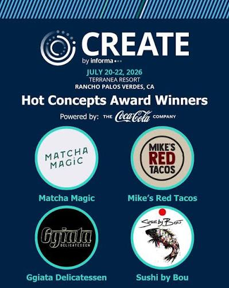
SHOUTOUT: Some events you attend. Others you circle on the calendar b/c you know the room is going to be full of the people building what's next.CREATE is the second kind and this week's Shoutout goes to the team at Informa Connect and Nation's Restaurant News for building the launchpad our industry actually needed. CREATE runs July 20–22 at the Terranea Resort in Rancho Palos Verdes, CA, and it bills itself, accurately, as “The Launchpad for the Industry's Next Great Restaurant Brands.” This isn't a legacy-operator conference where the biggest chains trade talking points. It's built for emerging restaurateurs and the founders on their second unit or their fiftieth, who are ready to scale up and do it smarter than the generation before them. Why does that matter? B/c the next generation of great restaurant brands doesn't lack ideas or grit. What they lack is access to capital, to the right operating partners, to the technology that turns a good concept into a scalable one. CREATE closes that gap with intentionality. From my embracement of Milton Friendman’s philosophy around self-interest, it’s the Investment Summit part of the conference I care most about. It puts emerging brands face-to-face with the investment community (the people actively looking to fund the next breakout concept). As someone who spends his days on the capital side of this business, I'll tell you plainly: deals don't get done over cold emails. They get done in rooms like this, where an operator and an investor can size each other up in real time. That's rare, and it's valuable. And the supplier bench is legit. The sponsor list reads like a who's who of foodservice and ResTech — SpotOn, Toast, NCR Voyix, Square, and Coca-Cola sharing space with the innovators. A few of them are family: Incentivio, Ingest, Juicer, meez, Vistify, all Branded portfolio companies, will be in the room showing emerging operators exactly what modern restaurant technology can do. When our companies show up at CREATE, they aren't just exhibiting, they're meeting the brands they'll help build. That's the whole point. CREATE isn't a place you go to hear about the future of the industry. It's a place you go to fund it, partner with it, and build it. Three days, the right insights, the right partners, and the right capital, all under one roof at one of the best venues in the business. To the team behind CREATE: thank you for building the room where emerging brands and the people who back them actually find each other. That's how the next great concepts get made. If you’ll be out at CREATE and would like to connect, please click here or contact me directly. |
||||||||||
|
||||||||||
|
The b list
10 names to know this week
Know someone who should be on this list, or someone who'd want to see it? Forward this email or share it with your network!
|
||||||||||
|
My point of view
by Julie Zucker
|
||||||||||
|
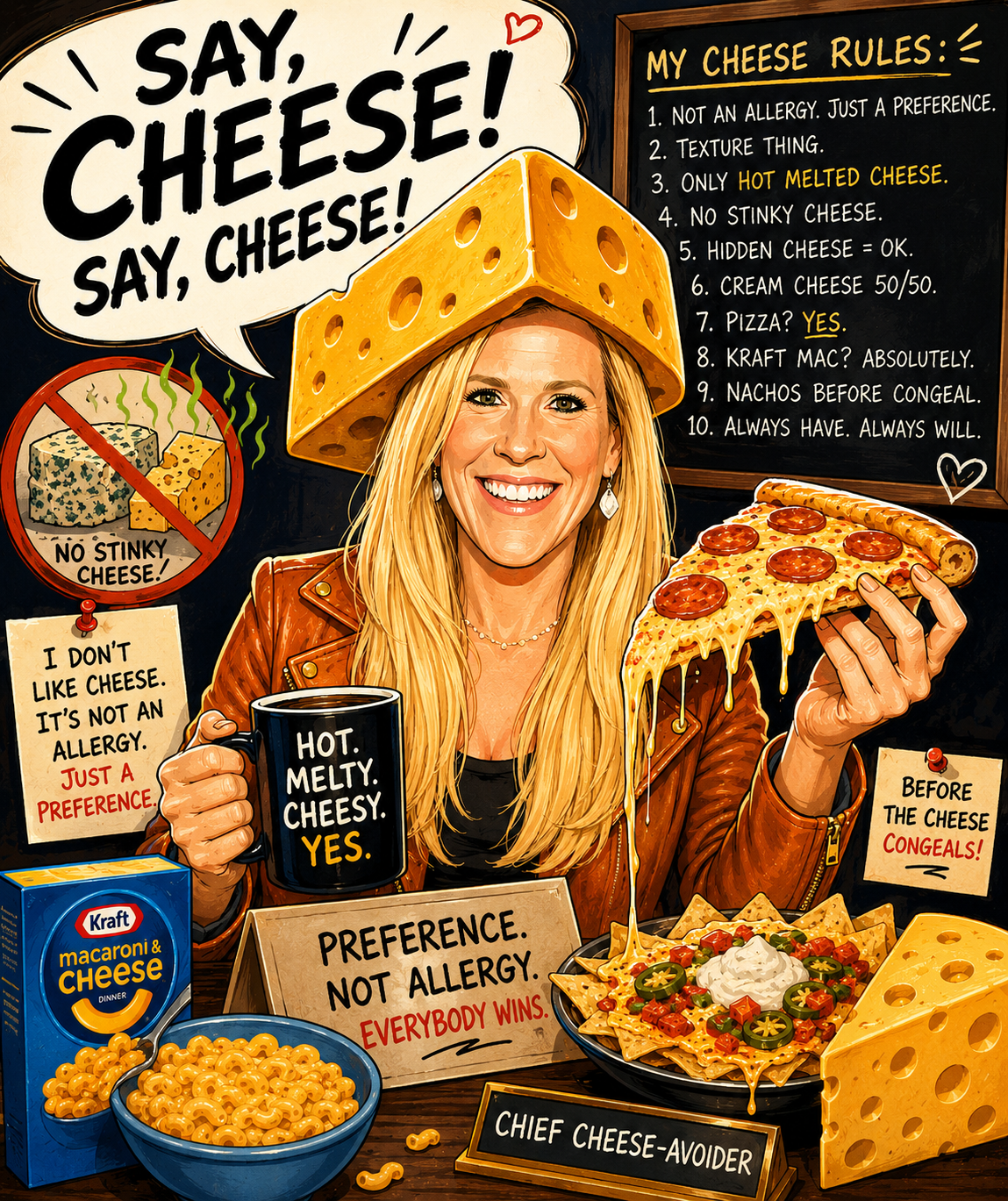
I don't like cheese. If you've ever had the pleasure of dining with me, you probably already know this. Somehow, this random little "fun fact" ALWAYS comes up, and every single time it's met with complete shock, disappointment, and about a dozen follow-up questions. (No, it's not an allergy. Yes, I eat pizza. It's complicated.) What started as an innocent dinner conversation actually made me realize something about my own restaurant behavior. Before I worked in hospitality, I used to tell servers I had a cheese allergy just to make sure my meal came out the way I wanted it. Then I became a server... and quickly realized what that little white lie actually meant for the people behind the scenes. So… this week’s POV isn't really a story about cheese at all. It's about the difference between preferences and allergies, why those words matter more than ever in restaurants today, and how one of my strangest food quirks became not just a conversation stater by an unexpected hospitality lesson. |
||||||||||
|
The insiders
|
||||||||||
|
||||||||||
|
||||||||||
|
||||||||||
|
||||||||||
|
That's it for today!
See you next week, same bat-time, same bat-channel. It takes a village! Jimmy Frischling Branded Hospitality [email protected] 235 Park Ave South, 4th Fl | New York, NY 10003
|
||||||||||
|
Branded Hospitality is a foodservice growth platform with three integrated business lines—Ventures, Solutions, and Media. We invest in innovative tech and emerging brands, provide expert advisory and capital strategies, and amplify visibility through podcasts, newsletters, social, and events—creating a powerful flywheel that drives growth, brand strength, and lasting success.
Looking to get in front of 400,000+ hospitality movers and shakers? Dive into our media kit and see how we can help amplify your brand.
|
||||||||||
|
HOSPITALITY HEADLINE
|
The Anti-Distraction Philosophy Be Damned
Plus: how better ingredients and the right culture are shaping fast casual dining.
Jul 18, 2026
9 min read